



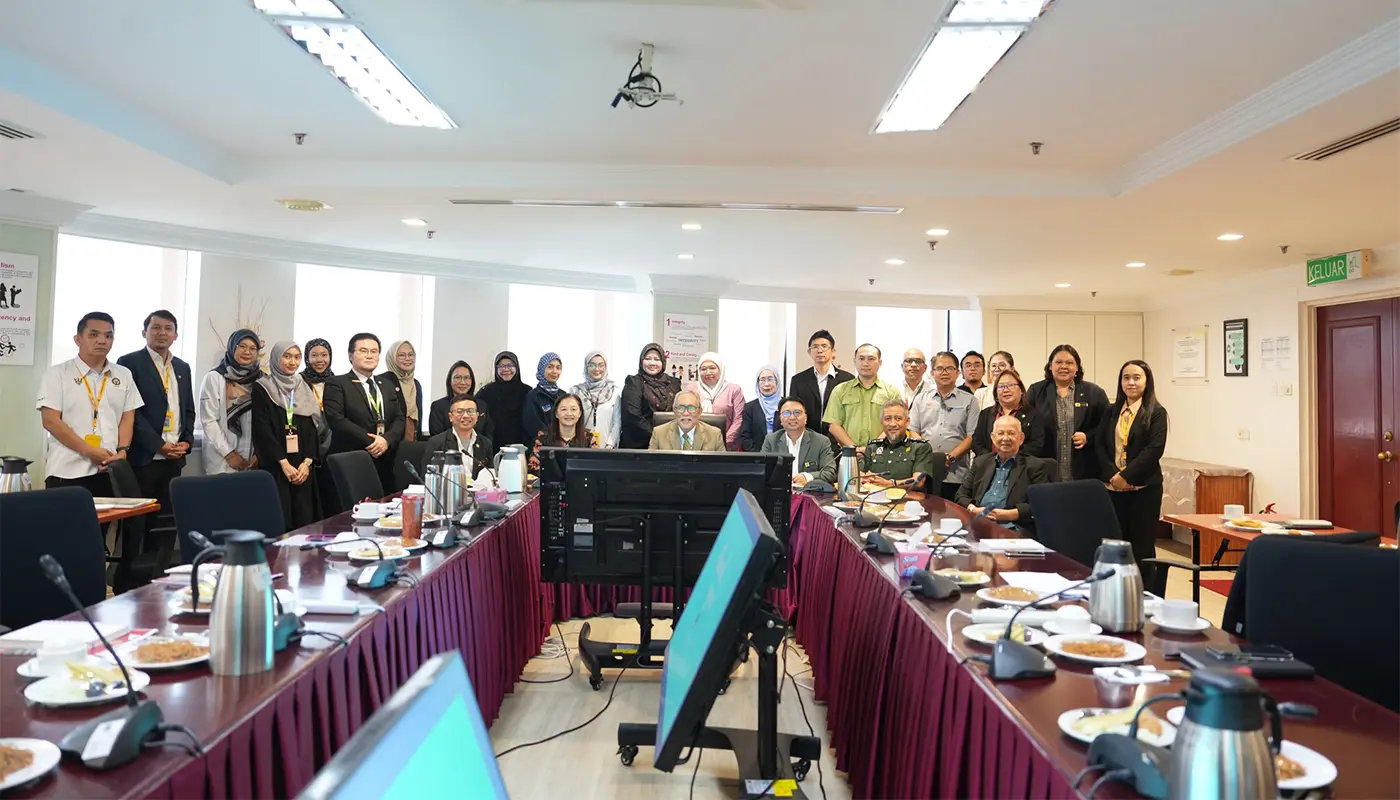
KUCHING – The Sarawak Delta UNESCO Global Geopark (SDUGGp) Steering Committee convened its first meeting of the year, chaired by YB Datuk Haji Len Talif Salleh, Deputy Minister of Town Planning, Land Administration and Environment, Ministry of Natural Resources and Urban Development Sarawak.

The session marked a significant step in shaping the future of Sarawak’s first UNESCO-recognised geopark.
In his opening remarks, Datuk Len Talif extended congratulations to committee members and stakeholders for their role in securing the UNESCO Global Geopark designation.
He emphasised that the recognition has elevated Sarawak’s profile internationally, positioning the state as a destination of geological, biodiversity, and cultural importance.
He reminded attendees that the achievement should be seen as the beginning of a long-term commitment rather than a final milestone.
“This recognition is not an end point, but rather a beginning to continuous efforts in ensuring the sustainability, preservation and development of the geopark holistically,” he said.
He further stressed the importance of strategic cooperation among all parties to maintain the prestigious status.
The development agenda for SDUGGp is aligned with the Post-COVID-19 Development Strategy 2030 (PCDS 2030), which calls for balanced progress across economic growth, environmental protection, and social well-being.
The geopark initiative is expected to contribute to these goals by promoting sustainable tourism, enhancing conservation efforts, and engaging local communities.
During the meeting, members discussed a series of programmes and activities planned for 2026. These include promotional campaigns, educational initiatives, and community-driven projects aimed at celebrating the UNESCO recognition.
Public awareness and local involvement were highlighted as key factors in ensuring the long-term success of the geopark.
The committee also explored strategies to strengthen Sarawak Delta’s global standing, focusing on partnerships with international organisations and research institutions.
By fostering collaboration, the geopark hopes to attract expertise and resources that will support conservation and sustainable development.
Stakeholders expressed optimism that the ongoing efforts will secure lasting benefits for both present and future generations.
The geopark is expected to serve as a model for integrating heritage preservation with modern development, showcasing Sarawak’s commitment to sustainability and cultural pride.
With the Steering Committee setting a clear direction, the Sarawak Delta UNESCO Global Geopark is poised to reinforce its reputation as a world-class site, offering educational, ecological, and cultural value to visitors and residents alike.
