



KUCHING – Sarawak has embarked on a major transformation of its water sector, aiming to achieve full water supply coverage by 2030 through the implementation of the Sarawak Water Supply Master Plan and the Sarawak Water Grid. The initiative is designed to strengthen connectivity, reliability, and sustainability of water services across the state.

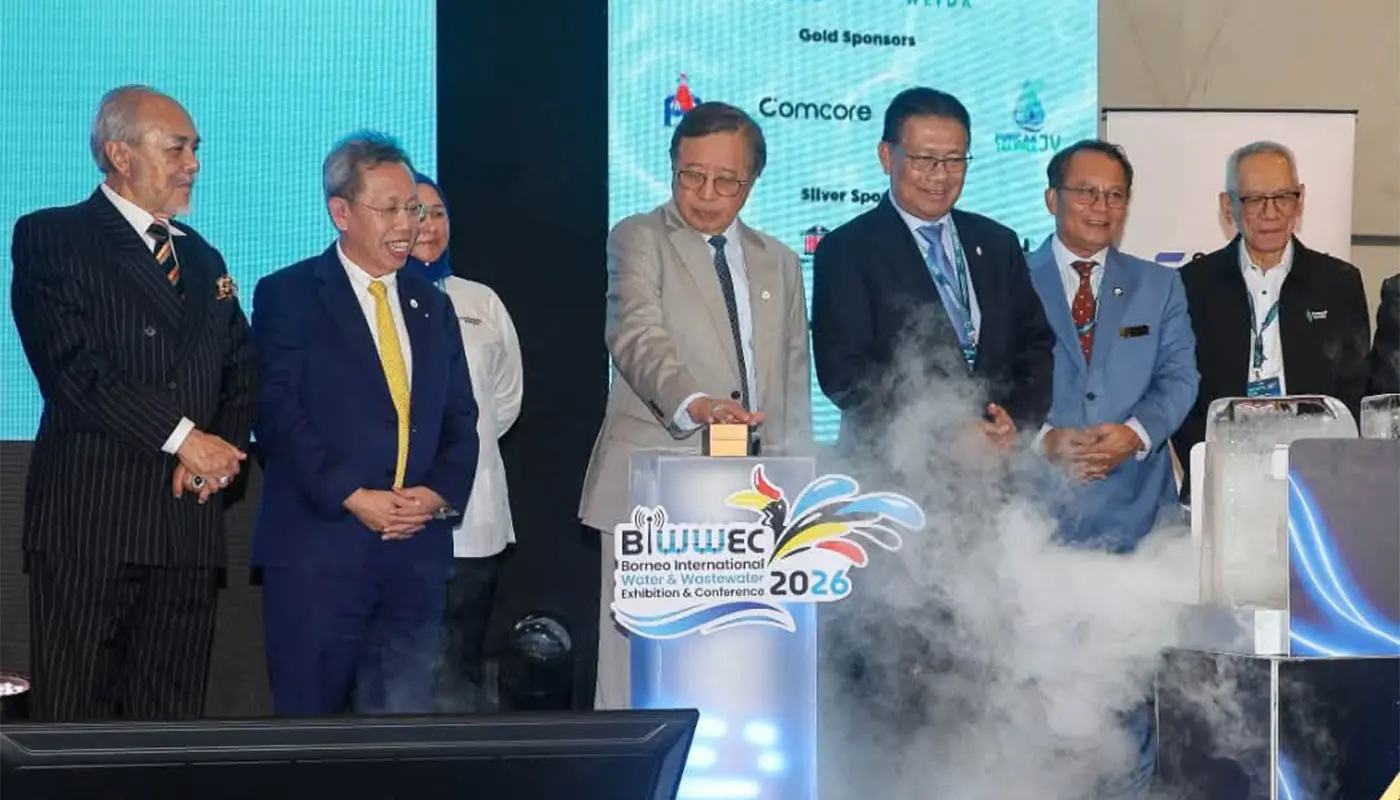
Premier of Sarawak, Datuk Patinggi Tan Sri (Dr) Abang Haji Abdul Rahman Zohari bin Tun Datuk Abang Haji Openg, highlighted the importance of the programme during his keynote address at the Borneo International Water & Wastewater Exhibition and Conference (BIWWEC) 2026. He described the water sector overhaul as a cornerstone of Sarawak’s long-term development agenda, ensuring equitable access to clean water for both urban and rural communities.
The Water Grid project will establish a vast network stretching from southern Sarawak to the northern regions, creating an integrated system that enhances supply resilience. Complementing this, the Sarawak Alternative Water Supply (SAWAS) programme will deliver clean water to remote settlements that lie beyond the reach of the main grid infrastructure.
“Currently, Sarawak’s overall water supply coverage stands at 86.1 per cent, with rural coverage at approximately 71.9 per cent. Our goal is to achieve 100 per cent water supply coverage by 2030,” the Premier stated.
Significant investments have already been channelled into expanding treated water coverage, modernising outdated infrastructure, and reducing non-revenue water (NRW). These measures are expected to improve operational efficiency and ensure long-term sustainability of the state’s water system.
The transformation includes the construction and upgrading of 21 anchor water treatment plants, alongside the installation of approximately 2,800 kilometres of pipelines. These projects will form the backbone of the Water Grid, enabling Sarawak to deliver reliable water services across diverse terrains and communities.
The Premier emphasised that the government’s commitment extends beyond infrastructure. Efforts are also being made to strengthen management practices, enhance monitoring systems, and adopt innovative technologies to optimise water distribution. By reducing NRW, Sarawak aims to minimise wastage and maximise the efficiency of its resources.
Rural communities stand to benefit significantly from the SAWAS programme, which provides decentralised solutions tailored to areas where conventional infrastructure is difficult to implement. This initiative reflects the government’s determination to ensure no community is left behind in the pursuit of universal water access.
The BIWWEC 2026 conference provided a platform for Sarawak to showcase its water sector strategies to regional and international stakeholders. Experts and industry leaders discussed best practices, technological innovations, and collaborative approaches to water management. Sarawak’s participation underscored its ambition to position itself as a leader in sustainable water governance.
Observers note that achieving full coverage by 2030 will require continued investment, effective policy implementation, and strong collaboration between government agencies, private sector partners, and local communities. The Premier’s announcement signals a clear roadmap towards meeting these objectives, aligning with Malaysia’s broader sustainability agenda.
The transformation of Sarawak’s water sector is expected to deliver long-term benefits, including improved public health, enhanced economic opportunities, and greater resilience against climate-related challenges. By prioritising equitable access, the state aims to foster inclusive growth and strengthen community well-being.
As Sarawak advances towards its 2030 target, the Water Grid and SAWAS programmes stand as pivotal initiatives in reshaping the state’s water landscape. The Premier’s vision reflects a commitment to ensuring that every household, regardless of location, has access to clean and reliable water – a fundamental necessity for prosperity and stability.
