



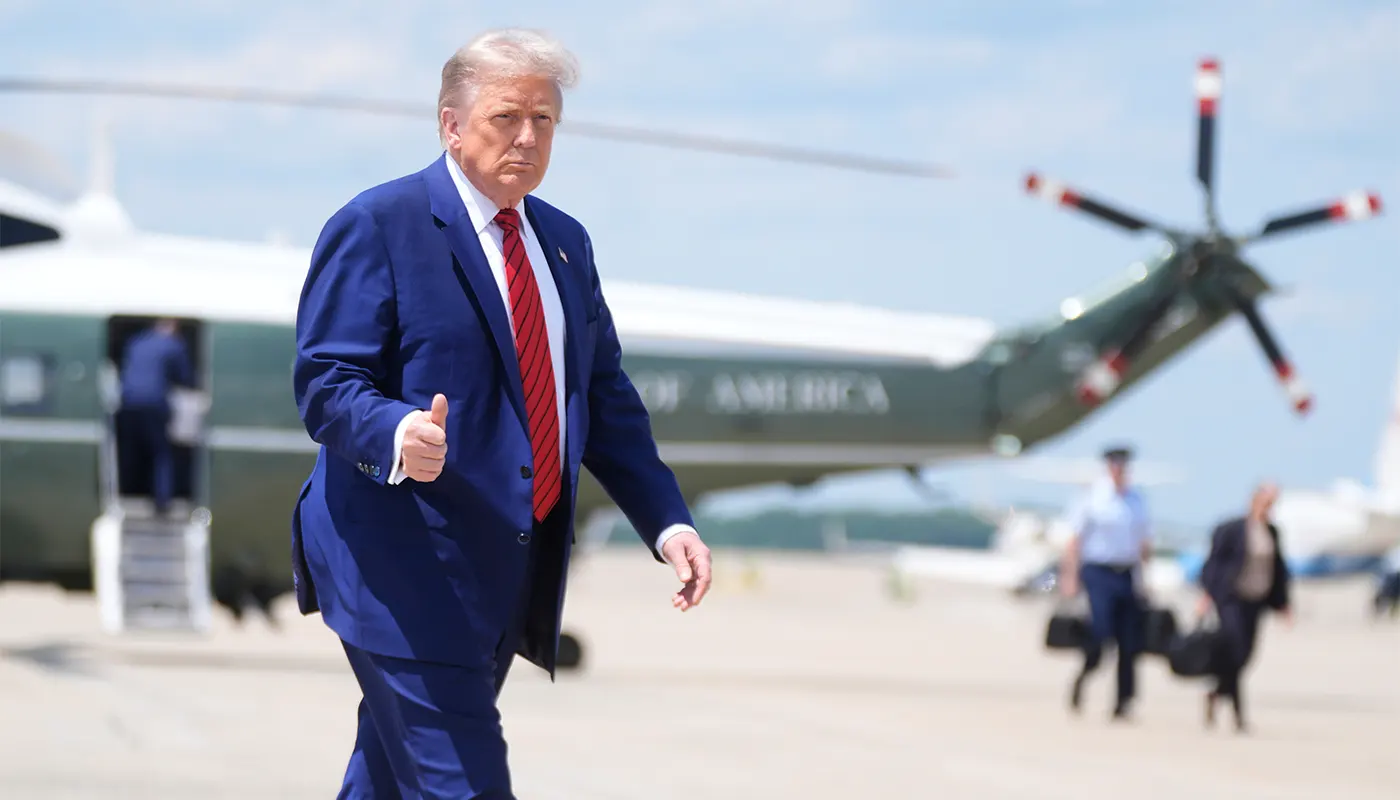
At the 2025 NATO summit in The Hague, European leaders have agreed to significantly increase defence spending—giving U.S. President Donald Trump the primary concession he demanded heading into the gathering.

The summit’s final communiqué includes language supporting a new target of 5% of GDP for total security and defence-related spending by 2035. This marks a sharp jump from the current 2% defence guideline, long ignored by several members. Under the new formula, 3.5% is to be allocated directly to military defence, and 1.5% toward hybrid threats, such as cyber warfare and critical infrastructure protection.
“This is historic,” Trump told reporters. “For the first time, Europe is paying its fair share.”
While Trump’s rhetoric—questioning Article 5 commitments and openly criticising under-spending allies—has unsettled many, it appears to have produced the intended effect. German Chancellor Friedrich Merz and French President Emmanuel Macron both confirmed their support for the 5% framework, with Spain and Slovakia requesting phased commitments.
NATO Secretary-General Mark Rutte praised the outcome, stating: “President Trump wanted fair burden-sharing. That’s what this summit has delivered.”
- NATO’s deterrence posture will expand, including a ready force of 300,000 troops, and increased ammunition and weapons stockpiles.
- The spending boost also reflects growing threats from Russia, Iran, and China, and internal instability linked to cyberattacks and sabotage.
- Critics argue the expanded target may pressure smaller economies and shift focus from diplomacy to militarisation.
Trump, who arrived at the summit after brokering a ceasefire between Iran and Israel, framed the deal as a validation of his foreign policy approach: “No one thought this was possible. But it happened. Fast.”
While European leaders remain uneasy about Trump’s confrontational style, they appear committed to the new benchmark—acknowledging that security risks in 2025 require a larger, faster, and more united NATO response.
