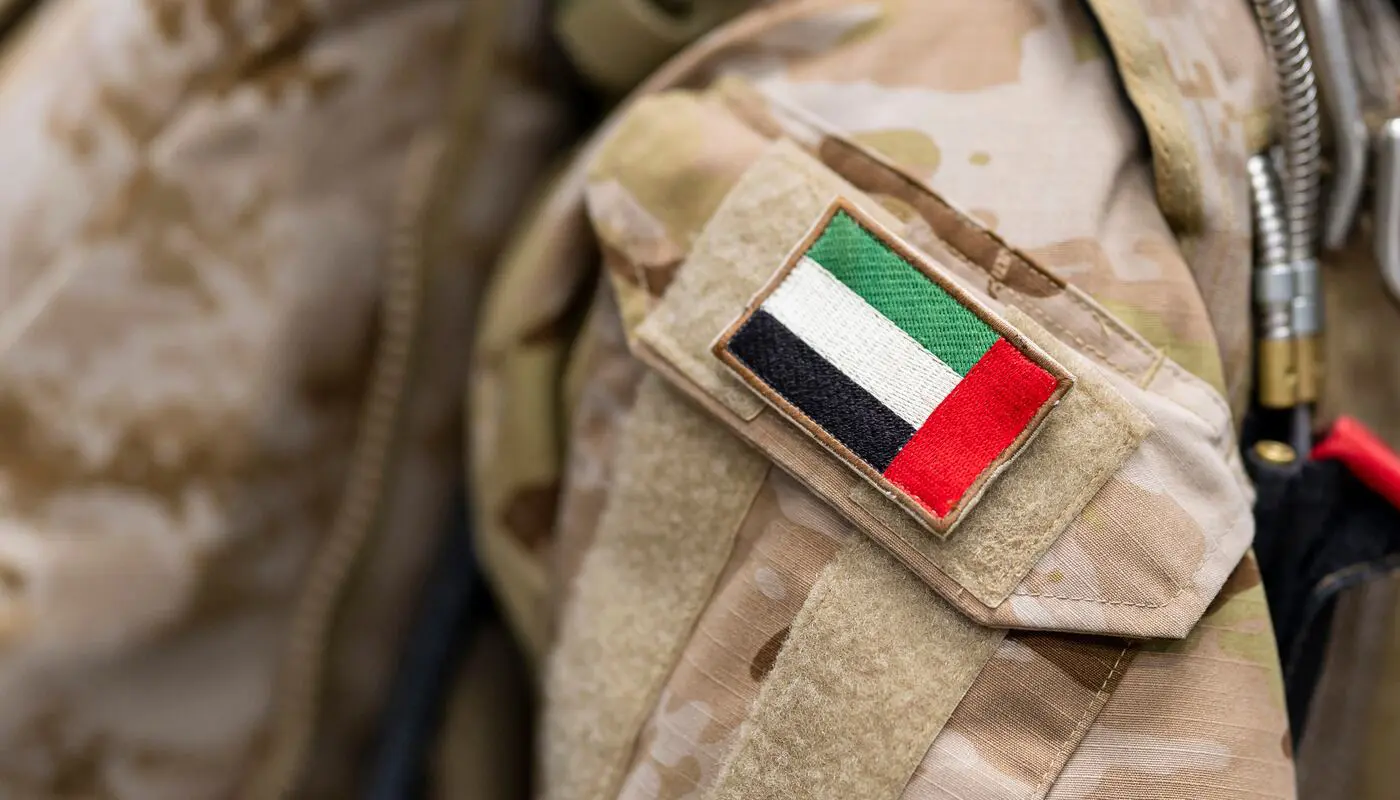
The United Arab Emirates (UAE) has announced the withdrawal of its remaining “counterterrorism” units from Yemen following a Saudi-led coalition air strike on the southern port of Mukalla.
The move comes amid escalating tensions between Abu Dhabi and Riyadh, with Saudi Arabia accusing the UAE of supplying weapons and military vehicles to separatist forces in Yemen, allegations the Emiratis firmly deny.
The announcement was made on Tuesday after Yemen’s internationally recognised government, backed by Saudi Arabia, demanded that Emirati forces leave the country within 24 hours.
The ultimatum followed Riyadh’s strike on what it claimed was an Emirati shipment of arms destined for the Southern Transitional Council (STC), a separatist group supported by the UAE.
In a statement carried by the UAE’s state-run WAM news agency, the Defence Ministry said the decision was taken “voluntarily” in light of recent developments and their potential impact on the safety and effectiveness of counterterrorism operations.
The ministry did not specify the timeline for the withdrawal but stressed that the move was aimed at avoiding further escalation.
The Saudi-led coalition’s strike on Mukalla destroyed several military vehicles reportedly linked to the UAE.
Riyadh has long accused Abu Dhabi of backing the STC, which seeks autonomy for southern Yemen and has frequently clashed with forces loyal to the Saudi-backed presidential council.
The UAE, however, insists its presence in Yemen has been focused on combating extremist groups such as al-Qaeda in the Arabian Peninsula (AQAP).
The withdrawal marks a significant shift in the dynamics of the Saudi-led coalition, which has been engaged in Yemen’s civil war since 2015.
While both Saudi Arabia and the UAE initially intervened to support the Yemeni government against Houthi rebels, their diverging interests, particularly Abu Dhabi’s support for southern separatists, have increasingly strained relations.
Regional analysts warn that the UAE’s departure could weaken counterterrorism efforts in Yemen, where AQAP and other extremist groups remain active.
At the same time, the move may embolden separatist factions, further complicating efforts to stabilise the country.
The decision also underscores the fragile nature of alliances within the coalition. As Saudi Arabia seeks to consolidate its influence over Yemen’s presidential council, Abu Dhabi’s withdrawal signals a recalibration of its role in the conflict. Whether this marks a permanent disengagement or a temporary tactical retreat remains unclear.
For Yemen, already grappling with humanitarian crises and ongoing clashes, the latest development adds another layer of uncertainty.
The departure of Emirati forces could reshape the balance of power in the south, potentially intensifying the struggle between separatists and government forces.
Sources: Al Jazeera, DW, CNBC