



SIBU – The local authority in this central region town has marked a significant digital milestone, with its citizen engagement platform surpassing one hundred thousand installations.

The Sibu Municipal Council confirmed that the SMC Cares mobile application has achieved this substantial user base, reflecting growing public adoption of digital municipal services.
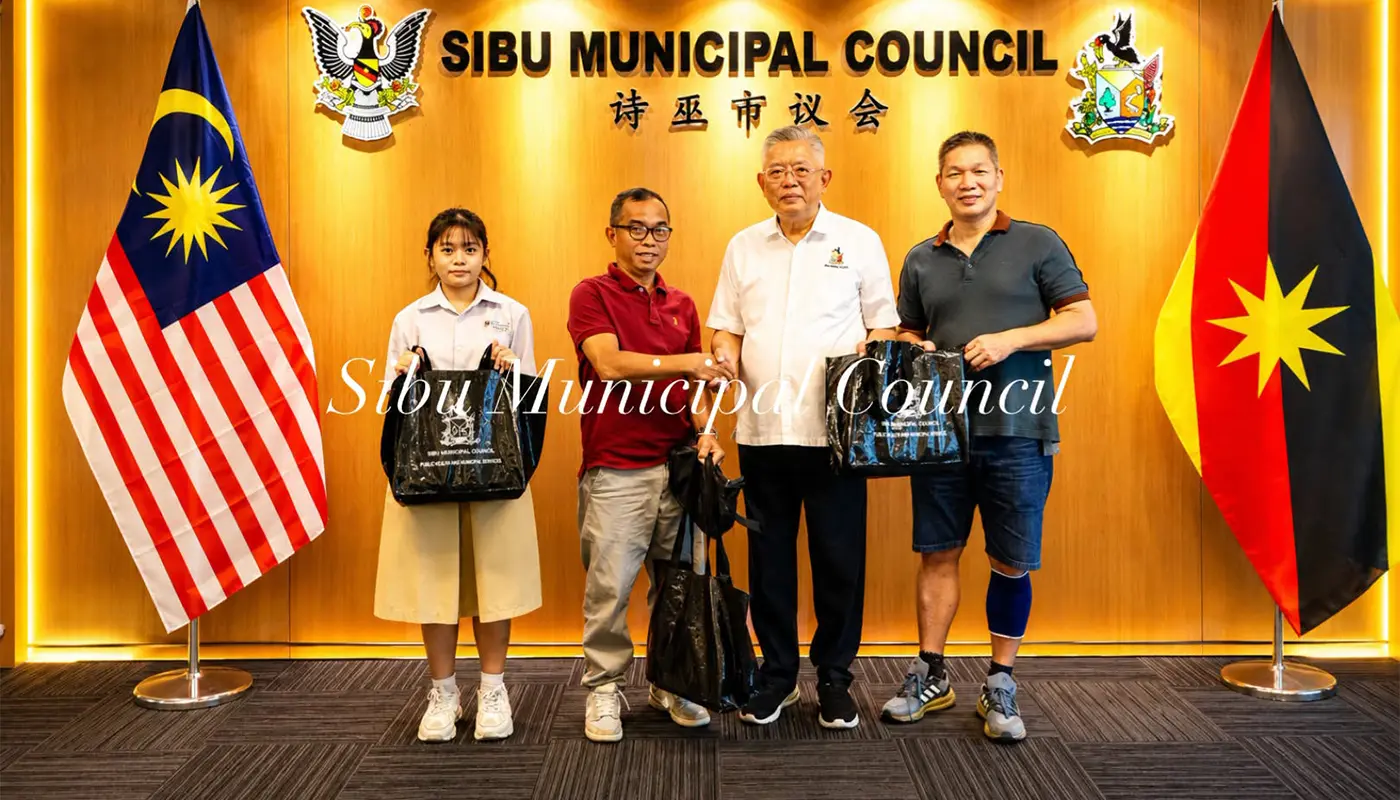
To commemorate the occasion, council officials organised a small ceremony to recognise recent adopters. Ten individuals who downloaded the application between the ninety-nine thousand nine hundred and ninety-first and the one hundred thousandth positions were selected to receive tokens of gratitude.
These gestures were intended to acknowledge the trust placed in the digital infrastructure by residents. The attainment of this download figure is viewed by local administrators as evidence of shifting public behaviour towards online civic participation.
It suggests that citizens are increasingly comfortable using smartphones to interact with government bodies, moving away from traditional counter-based transactions. This transition aligns with broader national efforts to modernise public service delivery through technology.
Officials stated that the primary objective behind developing the application was to streamline processes and reduce waiting times for routine enquiries and complaints. By digitising these interactions, the council aims to provide faster responses and greater transparency.
The platform allows users to report issues such as waste collection problems, street lighting faults, and drainage blockages directly from their devices.
“The achievement demonstrates the community’s commitment to supporting the digitisation of the Council’s services,” a spokesperson noted during the announcement.
They emphasised that the goal remains the delivery of efficient, rapid, and user-friendly services that cater to the needs of a modern urban population.
The council expressed sincere thanks to all users who have engaged with the platform since its launch. Continuous feedback from these early adopters has been instrumental in refining the application’s features and improving its reliability.
Regular updates have been rolled out to address technical glitches and introduce new functionalities based on user suggestions.
This digital push forms part of a larger strategy to transform Sibu into a smart city. Urban planners and technologists are working together to integrate various systems, including traffic management, environmental monitoring, and public safety networks.
The ultimate vision is to create an urban environment that is not only technologically advanced but also sustainable and competitive in the regional landscape.
Experts in urban development note that successful smart city initiatives rely heavily on citizen participation.
Without active engagement from residents, even the most sophisticated technological solutions may fail to deliver meaningful improvements.
The high number of downloads for the SMC Cares app indicates a willingness among locals to participate in this collaborative effort.
Looking ahead, the municipal council plans to expand the range of services available through the application.
Future updates may include features for paying utility bills, booking community facilities, and accessing real-time information about local events. These additions aim to make the app a comprehensive tool for daily life in Sibu.
The recognition of the ten lucky users serves as a symbolic gesture rather than a major financial incentive. However, it highlights the council’s desire to maintain a positive relationship with the public.
By celebrating individual milestones, the authority hopes to foster a sense of shared ownership over the city’s digital transformation journey.
As more towns in Sarawak embark on similar digital pathways, Sibu’s experience could offer valuable lessons. Other municipalities may look to this case study when designing their own citizen engagement platforms.
Key factors such as ease of use, responsiveness to complaints, and consistent communication appear to be critical drivers of adoption.
The council reiterated its commitment to empowering residents through technology. By providing accessible tools for civic interaction, they aim to build a more responsive and accountable local government.
The journey towards a fully integrated smart city is ongoing, but this latest milestone suggests that the foundation is being laid effectively. Residents are encouraged to continue using the application and providing constructive feedback.
Their input will shape the future direction of municipal services in Sibu, ensuring that technological advancements translate into tangible benefits for everyday life. The collaboration between the council and the community remains central to this evolving narrative.
