



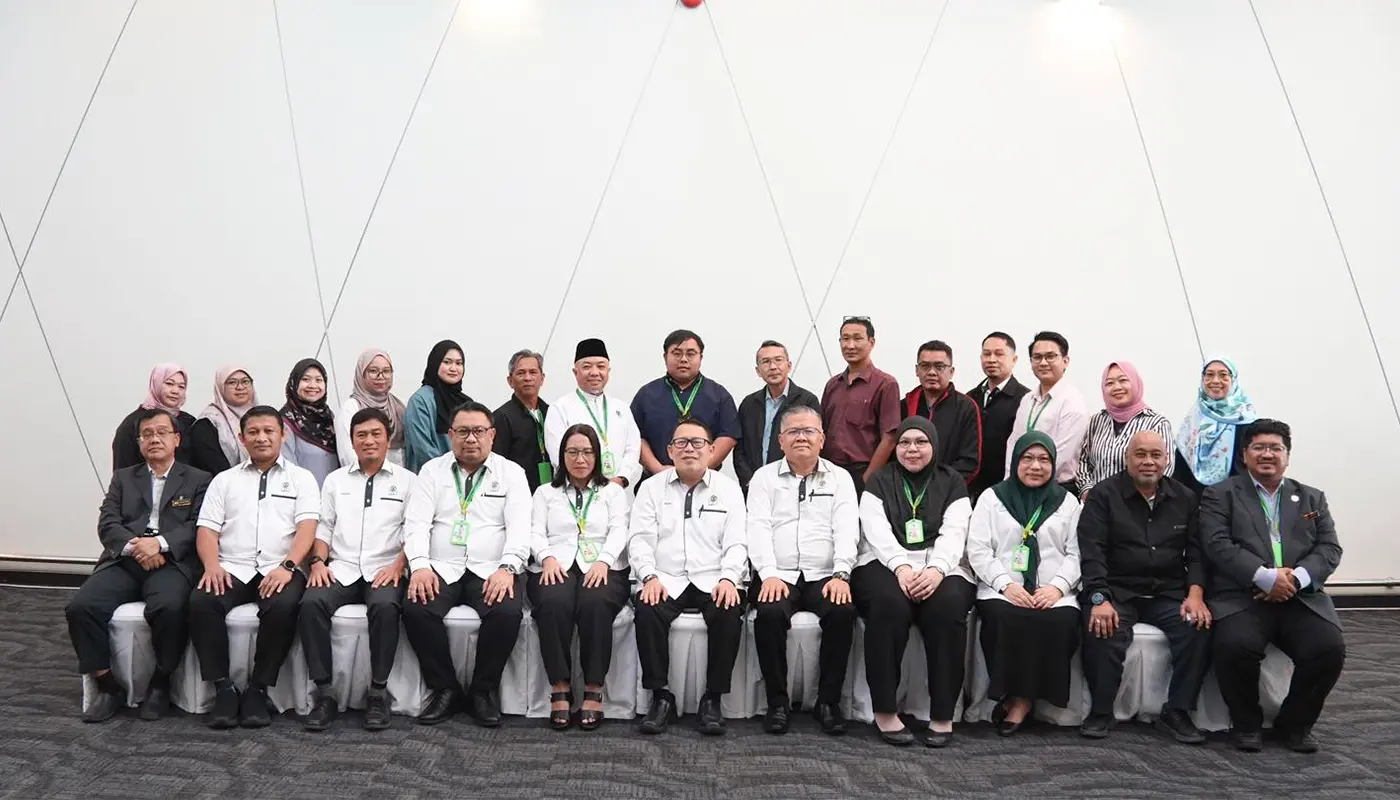
KUCHING – The Commission of the City of Kuching North (DBKU) recently convened a specialised workshop to refine and verify data critical to the upcoming implementation of the Malaysian Rural Urban Sustainable Development Indicator Network (MURNInets) for 2026.

The session, held on 18 May 2026, took place at the Borneo Convention Centre Kuching (BCCK), serving as a pivotal platform for ensuring the accuracy of urban sustainability metrics.
The workshop was officially inaugurated by the Director of DBKU, Yang Berusaha Encik Ramzi bin Abdillah.
His presence underscored the local government’s commitment to aligning Kuching’s development with national standards of sustainability.
By focusing on data integrity, the commission aims to provide a clearer picture of the city’s progress across various social, economic, and environmental indicators.
The event brought together a dedicated group of 30 participants, comprising heads of divisions and key focal persons from diverse departments within DBKU.
These individuals are responsible for the collection and submission of raw data that feeds into the MURNInets system.
The primary objective of the gathering was to deepen the participants’ understanding of how the system operates and to highlight the necessity of providing information that strictly adheres to established requirements.
MURNInets is a sophisticated tool used by the Malaysian government to measure the liveability and sustainability of local authorities.
It assesses performance through a range of categories, including competitive economies, environmental quality, and community well-being.
Ensuring that the information supplied is both consistent and verifiable is essential for Kuching to maintain its status as a leading sustainable city in the region.
Senior officials in attendance included Puan Maggie Tomeng, the Deputy Director of DBKU’s Development and Landscape Services Department, and Encik Faisal bin Affendie, who leads the Geoinformation and Property Management Division.
Their participation highlighted the cross-departmental nature of the initiative, as successful urban monitoring requires seamless cooperation between technical, environmental, and administrative teams.
Throughout the day, attendees engaged in rigorous review processes to eliminate discrepancies and ensure that every data point reflected the reality on the ground.
By refining these internal processes, DBKU is better positioned to meet the federal government’s reporting standards while simultaneously identifying areas for local improvement.
Ultimately, the workshop serves as a foundation for the 2026 reporting cycle. Through high-quality data management, DBKU seeks to enhance the quality of life for its residents, ensuring that Kuching North remains a resilient, sustainable, and well-governed urban centre for years to come.
