



TURNBERRY, Scotland – In a high-stakes breakthrough, the United States and the European Union have agreed to impose a 15% tariff on most EU exports to the U.S., a compromise that has defused the threat of a major trade war, just days ahead of a feared escalation on August 1.

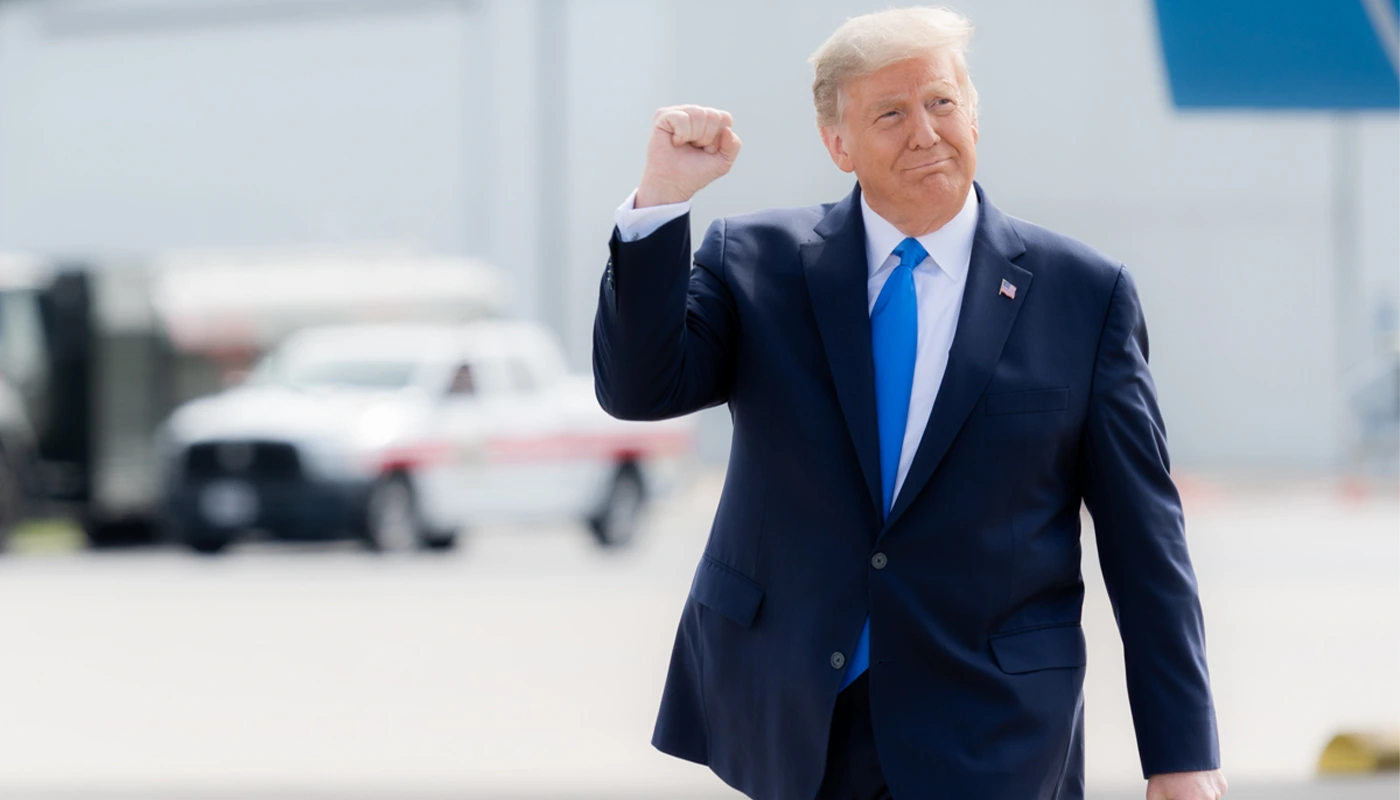
The agreement was sealed during a meeting between U.S. President Donald Trump and European Commission President Ursula von der Leyen at Trump’s golf resort in Scotland. Trump called it “the biggest deal ever made,” citing EU pledges to purchase $750 billion in U.S. energy and invest $600 billion in American assets by 2028.
The new tariff rate stands as a middle ground: half the previously threatened 30%, but still significantly higher than the prior EU average of just over 1%, prompting warnings of long-term damage to European exporters and GDP forecasts that show up to a 0.5% contraction in EU output.
- The baseline 15% tariff applies to about 70% of EU exports, including key sectors such as automobiles, pharmaceuticals, and semiconductors.
- Select strategic goods—including aircraft, certain chemicals, generic drugs, semiconductor-equipment, and some agricultural products—are exempt from reciprocal tariffs under a zero-for-zero arrangement.
- Tariffs on U.S. steel and aluminium remain at 50%, with no immediate change, though a quota-based system is under discussion.
- The EU will reduce tariffs on U.S. industrial goods—cars, machinery, and electronics—from 10% to approximately 2.5%, reinforcing access for American exports to Europe.
German Chancellor Friedrich Merz welcomed the deal for averting unnecessary escalation and protecting German exports, especially in automotive sectors. Italian Prime Minister Giorgia Meloni described the tariff level as “sustainable,” pending implementation details.
Conversely, French Prime Minister François Bayrou denounced the deal as a “dark day” for Europe, accusing the EU of concession and capitulation under U.S. pressure. Several European officials warned of economic sovereignty erosion and raised calls for countermeasures using the EU’s anti-coercion tools.
European equity markets and the euro weakened on the announcement. The DAX fell 1%, CAC 40 dropped 0.4%, and STOXX Europe 600 declined 0.2%, signalling investor scepticism about the agreement’s long-term economic benefits.
- Economists described the agreement as asymmetric, heavily favouring U.S. exporters while locking in elevated tariffs on EU goods with little compensation in return.
- Analysts caution that the 15% baseline tariff will raise consumer prices in the U.S. or cut into profit margins of EU firms, potentially constraining European competitiveness—particularly for industries like wine, steel, and autos.
- The pact aligns with President Trump’s broader protectionist agenda, echoing recent agreements with Japan and ongoing negotiations with countries like Canada, Mexico, and China.
Though immediate economic conflict has been avoided, critics warn the EU has yielded ground and strengthened Trump’s leverage in future trade negotiations. Some commentators argue decisive pushback is essential to prevent further imbalance in transatlantic relations.
