



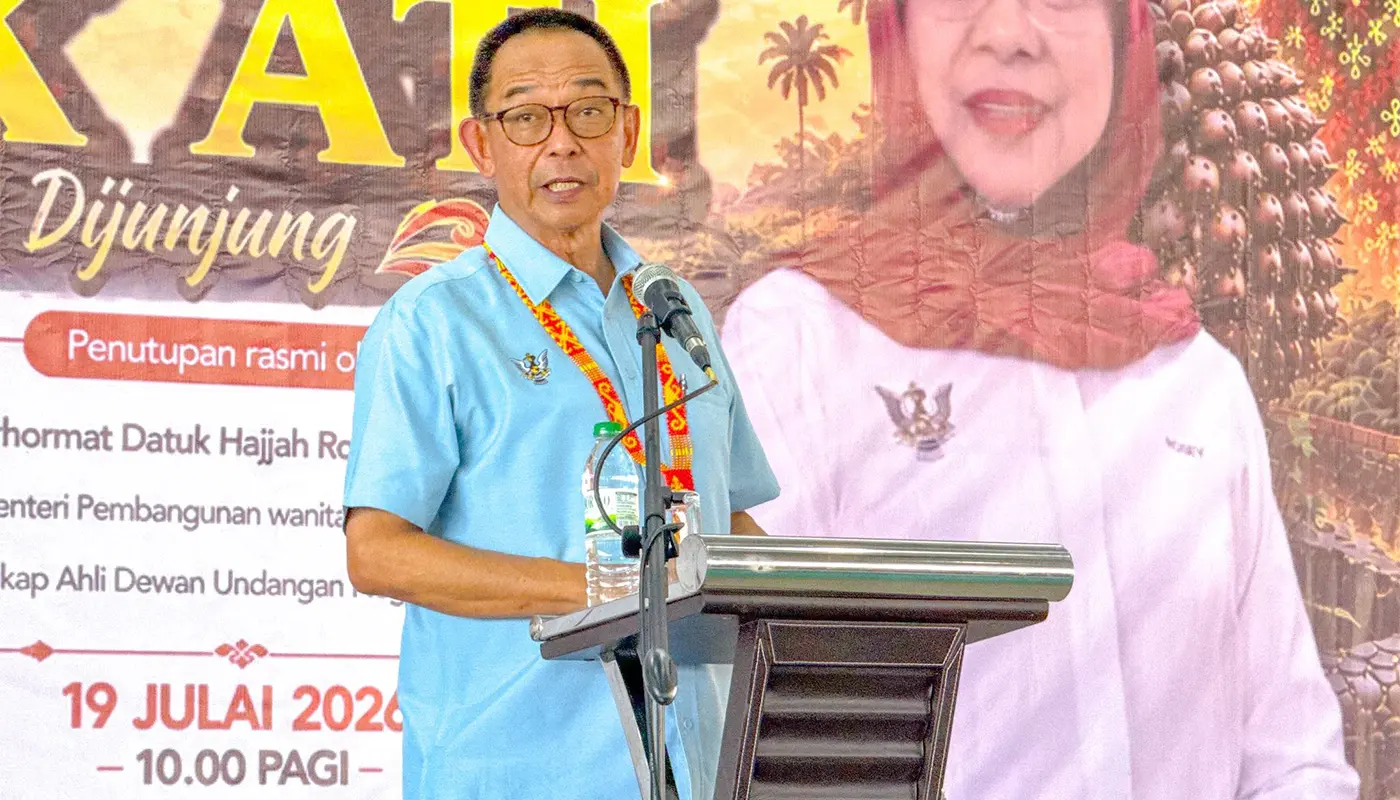
BEKENU – The coastal district of Bekenu witnessed a vibrant celebration of culture and community spirit last week as the Karnival Rindok Ati Bekenu 2026 drew to a close.

Running from 15 to 19 July, the five-day event served as a focal point for local residents, offering a diverse array of activities designed to entertain while simultaneously reinforcing social cohesion within the area.
The carnival was met with an enthusiastic response from the surrounding villages and towns, reflecting a strong desire among the populace for shared communal experiences.
Organisers reported high attendance figures throughout the duration of the festival, indicating that the initiative successfully resonated with its target audience.
The event provided a platform for local talents, artisans, and performers to showcase their skills, thereby promoting regional heritage and creativity.
A key highlight of the proceedings was the official opening ceremony, which featured several prominent political figures and community leaders.
YB Dato Sri Haji Abdul Karim Rahman Hamzah, the State Assemblyman for N15 Asajaya in Samarahan and the Sarawak Minister for Tourism, Creative Industry and Performing Arts, presided over the launch.
His presence underscored the state government’s commitment to supporting grassroots initiatives that contribute to social wellbeing and cultural preservation.
In his remarks, the minister extended his appreciation to the organising committee for their diligent efforts in bringing the carnival to fruition.
He also acknowledged the invitation extended by YB Datuk Hajah Rosey Haji Yunus, the Deputy Minister of Women, Family Wellbeing and Children, who also serves as the State Assemblyman for N.71 Bekenu.
Her role in facilitating the event highlighted the collaborative nature of local governance and community engagement in the region.
Also in attendance was YB Datuk Dr Ripin Haji Lamat, the Deputy Minister of Youth, Sports and Entrepreneur Development, as well as the State Assemblyman for N.72 Lambir.
His participation emphasised the intersection of youth empowerment, sporting activities, and entrepreneurial opportunities that such festivals can provide.
The gathering further included a distinguished line-up of local tribal leaders and community heads from across the Bekenu area, symbolising the inclusive and multi-ethnic character of the district.
Beyond the ceremonial aspects, the carnival featured a wide range of programmes tailored to different age groups and interests.
These activities were not merely recreational but were strategically designed to strengthen interpersonal bonds among residents.
By encouraging interaction between neighbours and families, the event aimed to foster a deeper sense of belonging and mutual support within the community.
The concept of “Rindok Ati,” which translates to a longing or deep affection for one’s roots and community, was central to the carnival’s theme.
This cultural nuance resonated deeply with attendees, many of whom viewed the event as an opportunity to reconnect with their heritage and celebrate their shared identity.
The inclusion of traditional games, culinary showcases, and artistic performances allowed participants to engage with their cultural legacy in a meaningful and enjoyable manner.
Local leaders have praised the initiative as a model for future community-driven events. They noted that such gatherings play a crucial role in maintaining social harmony, particularly in diverse regions where multiple ethnic groups coexist.
By providing a neutral and celebratory space, the carnival helped bridge potential divides and encouraged dialogue and cooperation among different segments of society.
The success of the Karnival Rindok Ati Bekenu 2026 has set a positive precedent for similar initiatives in other parts of Sarawak.
It demonstrates the potential of local festivals to serve not only as entertainment but also as vital instruments for social development and cultural continuity.
As the district looks forward to future editions, the emphasis will likely remain on inclusivity, heritage promotion, and community strengthening.
The involvement of state ministers and assemblymen further illustrates the alignment between governmental policies and grassroots aspirations.
By supporting such events, authorities aim to enhance the quality of life for residents while preserving the unique cultural fabric of the region.
The warm reception received by this year’s carnival suggests that these efforts are being well-received and valued by the people of Bekenu.
