



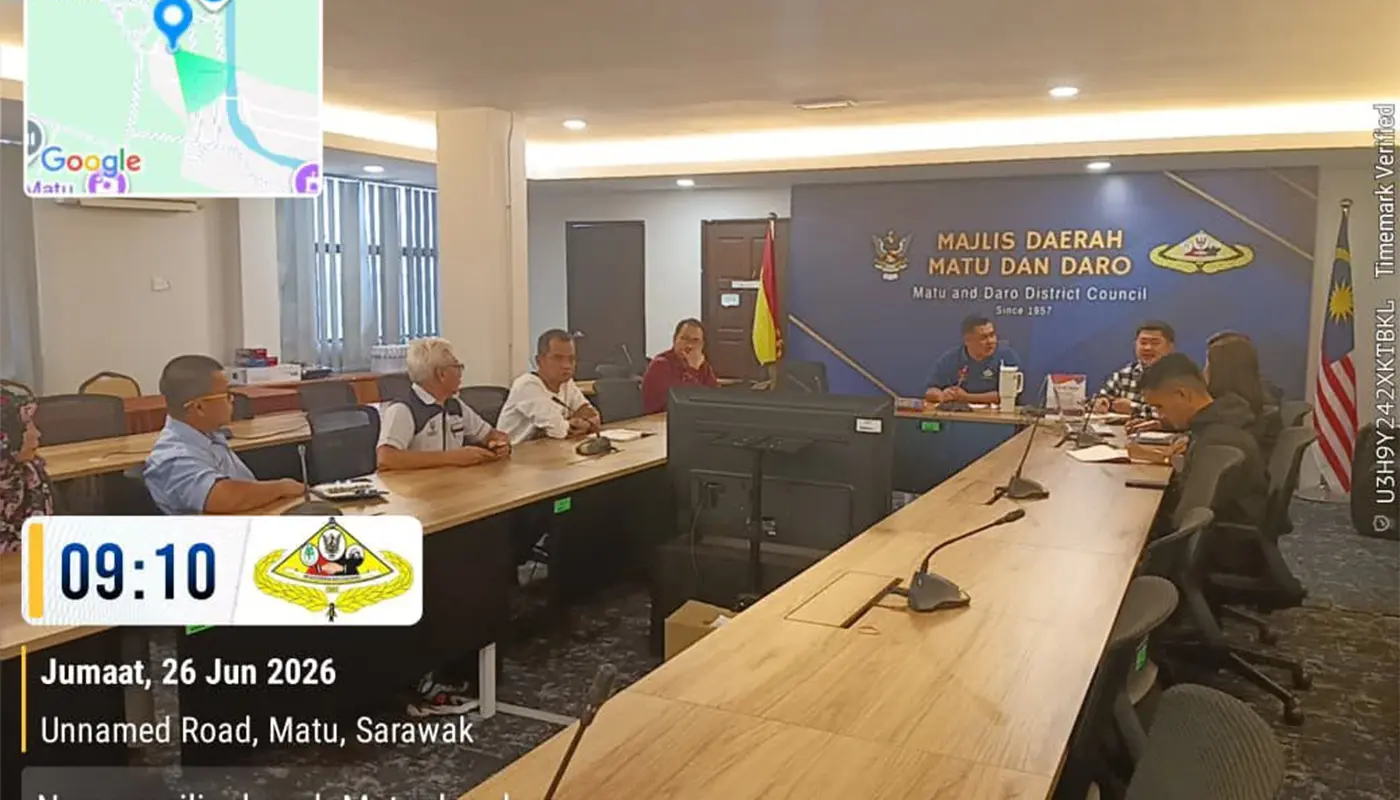
MATU-DARO – The Matu and Daro District Council (MDMD) convened its first coordination meeting for the Mega Aedes Combat Cooperation Programme 2026 on 26 June, bringing together representatives from related agencies to plan a large-scale community health initiative.

The meeting, held at the MDMD Meeting Room, focused on finalising the programme’s schedule, assigning responsibilities, and ensuring smooth collaboration among participating organisations.
Officials emphasised that the effort is designed to strengthen public awareness about the dangers of Aedes mosquitoes and the importance of maintaining clean surroundings to prevent outbreaks of dengue fever.
The Mega Aedes Combat Programme has been scheduled for 11 July 2026, beginning at 7.00 am. Activities will take place in Kampung Muut and Kampung Masjid Sekaan Besar, two communities identified as priority areas for mosquito control.
The council highlighted that these locations were chosen due to their vulnerability to mosquito breeding, making them critical sites for intervention.
During the meeting, agencies discussed strategies to mobilise residents and encourage active participation.
Plans include community clean-up campaigns, educational sessions, and joint monitoring exercises to eliminate breeding grounds such as stagnant water and improperly disposed waste.
By involving multiple stakeholders, the council aims to create a united front against the spread of Aedes mosquitoes.
Officials noted that dengue fever remains a pressing public health concern in Sarawak, with cases often linked to poor environmental hygiene.
The Mega Aedes initiative is part of a broader state-level effort to reduce infection rates by combining enforcement, education, and community action.
The council also stressed the importance of sustained vigilance beyond the programme date. Residents are encouraged to adopt long-term practices such as regular cleaning of household compounds, proper waste disposal, and the use of mosquito prevention measures. These steps are seen as essential to complement the council’s enforcement and awareness campaigns.
By coordinating with health authorities, village leaders, and community organisations, MDMD hopes the initiative will not only reduce mosquito populations but also instil a stronger sense of responsibility among residents.
The council expressed optimism that the integrated approach will contribute to healthier living conditions and safeguard the well-being of the community.
